
Frankel, K. & Brooks, D. (2018). Why the “Struggling Reader” label is harmful (and what educators can do about it). Journal of Adolescent & Adult Literacy 62(1), 111-114.
I was interested in reading this article as I just finished Tompkins’ (2018) textbook Literacy for the 21stCentury: A Balanced Approach.The term “struggling reader” was used throughout the text. While I don’t think the author was using this term to be derogatory, I think it’s important that we are conscious of the words we are using and the labels that we are placing on students.
The article begins with the problematization of labels. The first reason why the “struggling reader” label is harmful is because of the “deficit” narrative. This reminded me of Yosso (2005)’s discussion of community cultural wealth, that shifts the deficit of view of capital to cultural capital. I highly recommend reading Yosso (2005)’s article “Whose culture has capital? A critical race theory discussion of community cultural wealth. This article has made a tremendous impact on my positionality as an educator.
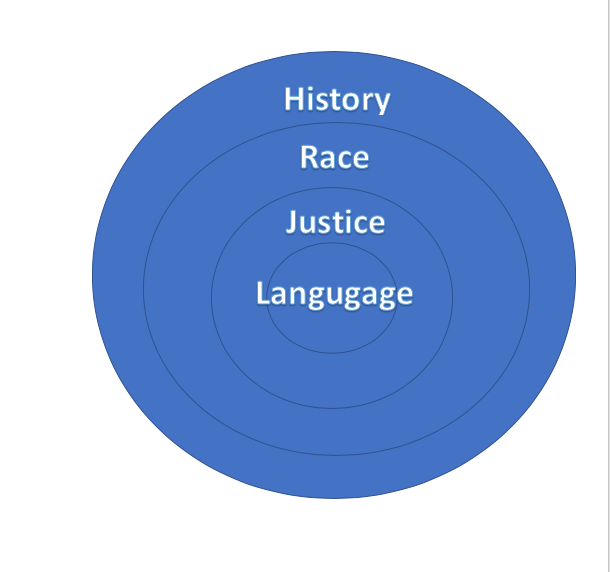
The second reason why the “struggling reader” label is harmful is because it creates a static good/bad dichotomy. When we look at this label, we also need to look at the systemic oppressions that also create these labels. Yosso (2005) illustrates that using the community cultural wealth framework empowers students with strengths and assets outside of what might be perceived as “capital” in regard to monetary value. We also need to look at structural inequities that take place in and outside the classroom. The “struggling reader” label can further exacerbate these inequities for our students.
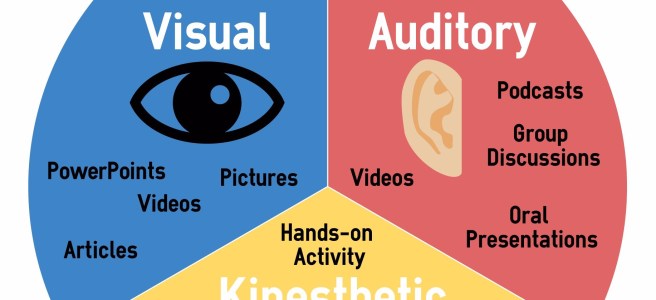
The most recent post I wrote “Differentiated Instruction” illustrates how we need to create a variety of instruction to meet our students’ various needs. Three of the guiding principles outlined in the article are:
- Listen to and learn from readers
- Build from the resources and interests that readers already possess
- Adapt instruction to account for the interactions of particular texts, practices, contexts, and readers
The first principle is a critical skill to possess as an educator. I would put emphasis on learning from readers, as there is so much that we can learn from our students. An element of my philosophy, as an educator, is using problem posing education with my students (Freire, 1972) and move away from the banking model that has been used at times in educational spaces.
The second principle I want to utilize in my classroom through students’ funds of knowledge (González, Moll, Amanti, 2005). Finally, the third principle illustrates Picower’s (2012) Six Elements of Social Justice Curriculum Design. We need to frame our curriculum so that as educators, we work with our students to promote social change.
I hope that you get a chance to read the article above and get to look at the references. I really enjoyed this article and strive to be a social justice educator! It takes working with other educators and allowing the space in our classroom for our students to engage with critical work. Thanks for reading!
References:
- Freire, P. Pedagogy of the oppressed. New York, NY: Herder and Herder.
- González, N., Moll, L. C., & Amanti, C. (2005). Funds of knowledge: Theorizing practice in households, communities, and classrooms. Mahwah, N.J: L. Erlbaum Associates.
- Picower, B. Using their words: Six elements of social justice curriculum design for the elementary classroom. International Journal of Multicultural Education,14(1), 1-17.
- Tompkins, G. E. (2018). Literacy for the 21st century: A balanced approach 7th Ed. New York: Pearson.
- Yosso, T. (2005). Whose culture has capital? A critical race theory discussion of community cultural wealth. Race ethnicity and education, 8(1), 69-91.
 Article Review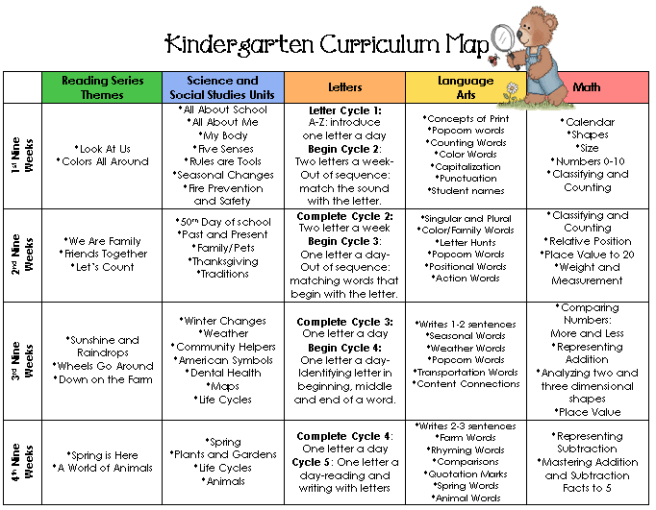
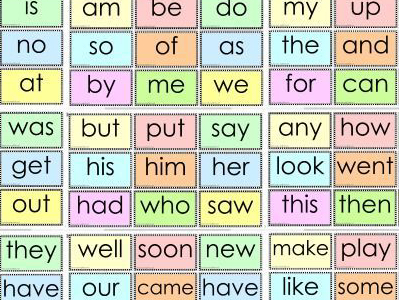
 The foundational skills of learning how to navigate the English language is essential for early learners. Tompkins states, “Phonemic awareness has been shown to be the most powerful predictor of later reading achievement” (Tompkins, 2018, p.155). As teachers, we need to have a balanced literacy program for our students. My goal is to keep my students engaged so that they are able to connect with what they are learning. Alphabetic code knowledge that students learn consist of phonemic awareness, phonics, and spelling. It is critical for students to be exposed to a variety of activities where they can develop this knowledge.
