
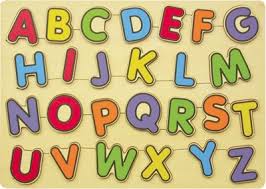
 The foundational skills of learning how to navigate the English language is essential for early learners. Tompkins states, “Phonemic awareness has been shown to be the most powerful predictor of later reading achievement” (Tompkins, 2018, p.155). As teachers, we need to have a balanced literacy program for our students. My goal is to keep my students engaged so that they are able to connect with what they are learning. Alphabetic code knowledge that students learn consist of phonemic awareness, phonics, and spelling. It is critical for students to be exposed to a variety of activities where they can develop this knowledge.
Tompkins outlined five phonemic awareness strategies: identifying sounds in words, categorizing sounds in words, substituting sounds to make new words, blending sounds to form words, and segmenting a word into sounds. In my teaching observations, I was able to see these strategies take place throughout various lessons. In addition to the strategies Tompkins outlined, she also listed the three criteria that phonemic awareness instruction should meet. First, the activities should be appropriate for 5-6 year old children. Second, the instruction should be planned and purposeful. Third, activities should be integrated with other components of literacy instruction.
Children should be able to sing songs, chant rhymes, read aloud wordplay books, and play games. Activities that students can use are sound-matching, sound-isolation, sound-blending, sound-addition and -substitution, and sound-segmentation. It is helpful to begin with oral activities using objects and pictures before adding reading and writing components. I find word walls to be incredible tools in the classroom. One example is a word wall of phonograms that show words with the same sounds. I’ve also seen in my observations that high frequency words are put on the word wall so students can reference and eventually commit to memory.
As technology continues improving, there are so many resources for teachers and parents to use with students. Raz-Kids was used frequently in the classrooms I observed and students can use this at home, as well as in the classroom. The innovation of teachers is amazing and there are also a variety of resources available through Teachers Pay Teachers. As a new teacher, it’s helpful for me to have a variety of resources to find what works best for my students.
Reference: Tompkins, G. E. (2018). Literacy for the 21st century: A balanced approach 7th Ed. New York: Pearson.


Hello Ariana,
Thank you for sharing. If we as educators become aware that phonetic awareness is a predictor for successful reading later on, it’s imperative that we assist students on that journey to help them reach that achievement. I agree with you on making sure students are engaged so that they can connect with what they are learning. If students don’t feel connected they don’t care which will lead to them not being as successful as they can be. Making sure those engaging activities are constant is a good point. It’s not about doing things a couple of times but making sure that is routine is the key. Making sure the activities are appropriate is important so you may have purposeful assessments to gage whether or not students understanding is there. The word wall seems like a great idea for students to see what you are also talking about so that it makes sense to them. Educators should also encourage parents to help assist at home with technology and confirming ideas with activities or games on computer/phone/tablet.
LikeLike
Have you ever wondered that if the alphabet did not exist, how would we be able to communicate? It is crazy to think that we learn about the alphabet even before we begin school. Having a good foundation with the alphabet is important because we use it every day. I like how you mentioned that there should be a balance with literacy programs because the alphabet code can be a challenge to some students.
I also like how you mention that children should be able to sing songs, chant rhymes, and etc. I am a big fan of music and I always try to put music on any lessons. I think music makes learning fun and what better way of learning the alphabet code with music?
Great Post!
LikeLike
The good teachers are the enthusiastic, progressive teachers that create a happy to the student. So I like how you will approach that children should be able to sing songs, chant rhymes, and etc. I know that teachers should help children focus on the sounds and uses of language through stories—read aloud, shared reading–, songs, riddles, rhymes, chants, and games. After, the teachers should be approach effectively to practice reading and writing in real-life applications. I like your article says that “you observed and students can use this at home, as well as in the classroom.”
LikeLiked by 1 person